recommendations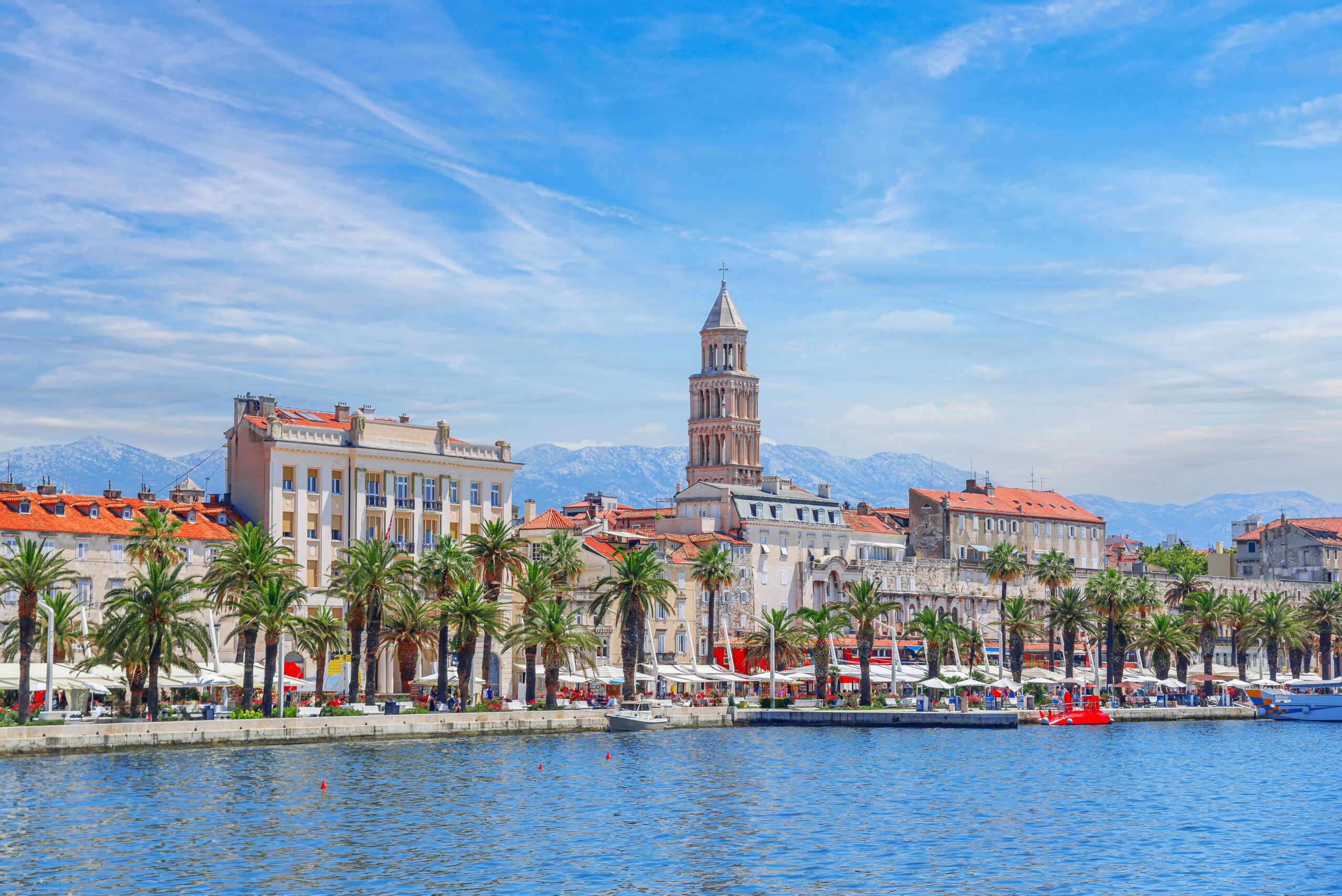
What to See in Croatia on Your First Visit – A Guide to Central Dalmatia
March 5, 2026
Why Travelers Fall in Love with Central Dalmatia, Croatia – And Keep Coming Back

Central Dalmatia is not just a destination you visit once during a trip to Croatia. For many travelers, it becomes a place they return to again and again. Located along the heart of Croatia’s Adriatic coast, this region offers the perfect combination of what visitors are usually looking for: beautiful beaches, historic towns, stunning islands, authentic Mediterranean food, and a relaxed coastal lifestyle.
When people search for travel inspiration in Croatia, they often ask the same questions: Where can I find the most beautiful coastline? Which Croatian islands should I visit? Where can I experience authentic local culture? Central Dalmatia answers all of these questions in one relatively compact area, making it one of the most attractive regions in the country.
From ancient Roman streets in Split to quiet island coves on Vis, Central Dalmatia offers an experience that blends history, nature, and everyday life in a way few places in Europe can.
Where Is Central Dalmatia?
Central Dalmatia lies on the central stretch of Croatia’s Adriatic coastline. The region includes several of the country’s most famous destinations, including the city of Split, the UNESCO-listed town of Trogir, the coastal towns of Kaštela, Makarska, and some of Croatia’s most popular islands such as Brač, Hvar, Vis, and Šolta.
One of the biggest advantages of Central Dalmatia is its diversity. Within a short distance, travelers can explore vibrant cities, historic stone villages, mountain landscapes, island beaches, and crystal-clear sea. This variety makes the region ideal for visitors who want to experience different sides of Croatia without spending long hours traveling between destinations.

Split – The Cultural Heart of Dalmatia
Split is the largest city in Dalmatia and the main gateway to the region. It is famous for Diocletian’s Palace, a massive Roman complex built in the 4th century that forms the historic center of the city. Today, the palace is not just a monument but a living part of the city where locals live, work, and socialize.
Walking through Split’s old town feels like stepping into a blend of ancient history and modern Mediterranean life. Narrow stone streets are filled with small restaurants, cafés, and shops, while the famous Riva promenade along the waterfront is a popular meeting place for locals and visitors alike.
Split is also an important transport hub for ferries heading to the Dalmatian islands, which makes it the perfect starting point for exploring the rest of the region.

Trogir – A Small Town Full of History
Just 30 minutes from Split lies Trogir, one of the best-preserved medieval towns in Europe. Its historic center sits on a tiny island connected to the mainland by a bridge, and the entire old town is protected as a UNESCO World Heritage Site.

Trogir is known for its narrow stone streets, charming squares, Renaissance palaces, and the impressive Cathedral of St. Lawrence. Despite its historical significance, the town feels lively and welcoming, with restaurants, cafés, and small shops filling its ancient buildings. Because of its compact size, Trogir is perfect for a day trip or a relaxing evening stroll along the waterfront.
The Islands of Central Dalmatia

One of the main reasons travelers fall in love with Central Dalmatia is the opportunity to explore nearby islands. Each island has its own character, atmosphere, and attractions.
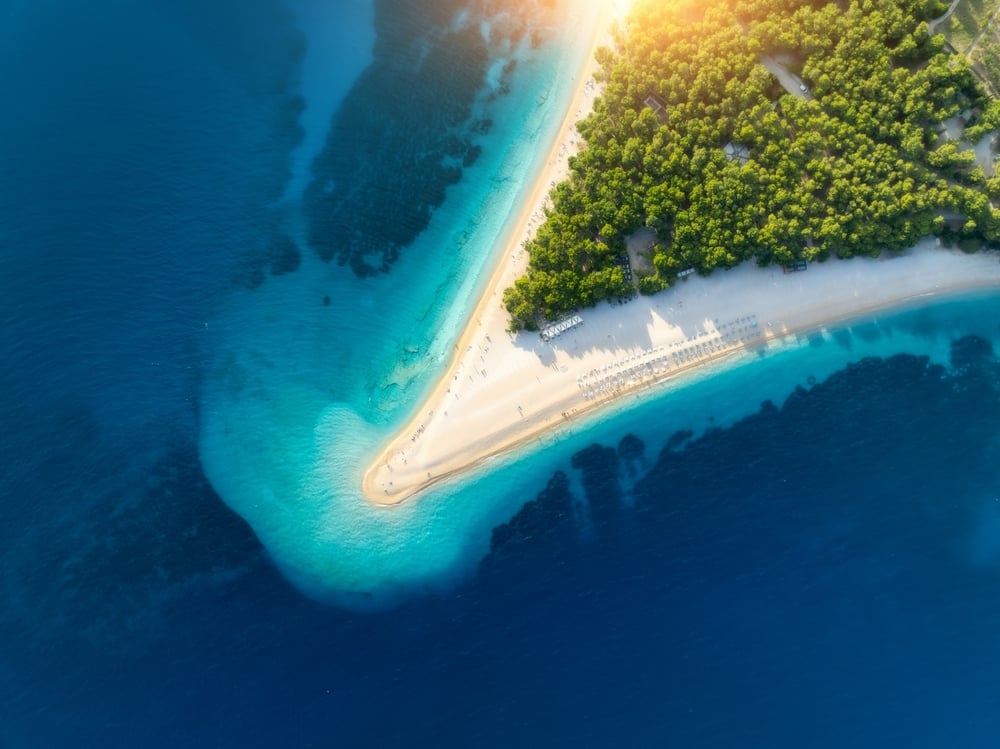
Brač is famous for Zlatni Rat, one of the most photographed beaches in Croatia. The island also offers beautiful coastal towns, hiking opportunities, and traditional stone architecture.
Hvar is often called one of the sunniest islands in Europe. The town of Hvar is known for its lively atmosphere, historic squares, while the rest of the island offers vineyards, lavender fields, and quiet villages.
Vis is considered one of the most authentic islands in Croatia. For decades it was closed to foreign visitors due to its military importance, which helped preserve its natural beauty and slower pace of life. Today, visitors come for hidden beaches, local wines, and boat trips to the famous Blue Cave.
Šolta is a quieter island that appeals to travelers looking for relaxation and traditional Dalmatian charm. Olive groves, fishing villages, and peaceful bays make it a perfect escape from busier tourist areas.

Beaches and Natural Beauty
Central Dalmatia is well known for its stunning coastline and crystal-clear Adriatic Sea. Unlike sandy beaches found in some Mediterranean destinations, many beaches here are made of smooth white pebbles and surrounded by pine forests that provide natural shade.
The Makarska Riviera is particularly famous for its long, scenic beaches backed by the dramatic Biokovo mountain range. This unique landscape—where mountains rise directly above the sea—creates some of the most spectacular coastal views in Croatia.
For travelers who enjoy outdoor activities, the region offers plenty of options. Popular experiences include sailing between islands, sea kayaking along the coast, snorkeling in clear waters, and hiking in Biokovo Nature Park.

Food and Wine in Central Dalmatia
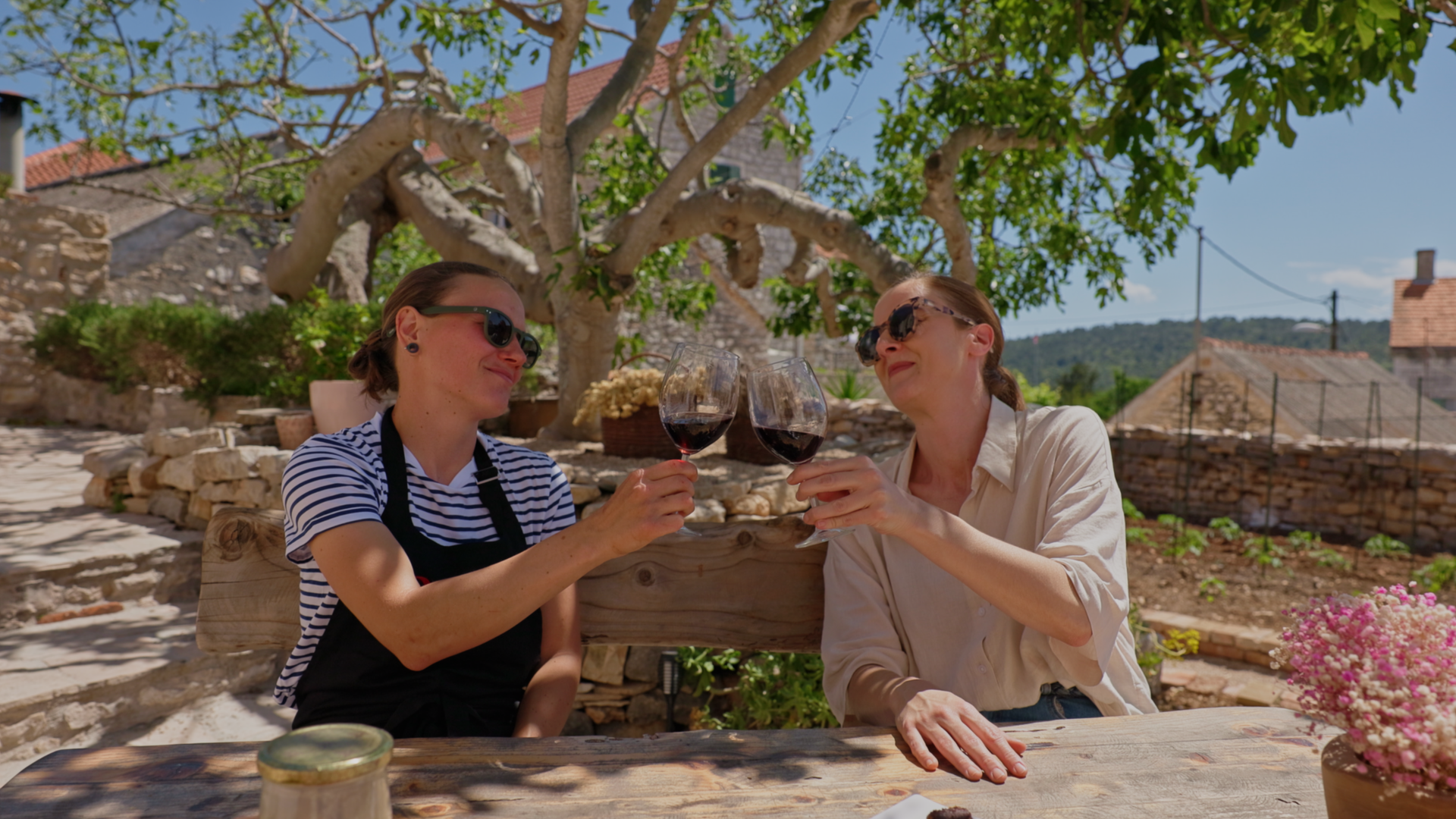
Another highlight of visiting Central Dalmatia is its local cuisine. Dalmatian food is simple, fresh, and deeply rooted in Mediterranean traditions. Meals often focus on seasonal ingredients such as fish, olive oil, herbs, vegetables, and local wines.
Popular dishes travelers often want to try include grilled fresh fish, black risotto made with cuttlefish, slow-cooked meat or octopus prepared under a traditional bell-shaped lid called peka, and the famous Dalmatian beef stew known as pašticada.
Local wines from islands like Hvar and Vis are also gaining international recognition, making wine tasting an increasingly popular activity for visitors.

The Dalmatian Way of Life
One of the things travelers notice most when visiting Central Dalmatia is the relaxed rhythm of daily life. The lifestyle here reflects the traditional Mediterranean pace—slow mornings with coffee by the sea, afternoons spent swimming or relaxing in the shade, and evenings filled with long dinners and conversations.
This atmosphere is often what makes visitors feel truly connected to the place. Instead of rushing through attractions, many travelers find themselves slowing down and simply enjoying the surroundings.

Best Time to Visit Central Dalmatia
The most popular time to visit Central Dalmatia is during the summer months, from June to August, when the weather is warm and the sea is perfect for swimming. During this period the region is lively, with festivals, concerts, and busy waterfront promenades.
However, many experienced travelers prefer visiting in May, June, September, or early October. During these months the weather is still pleasant, the sea remains warm, and there are fewer crowds, making it easier to explore towns, beaches, and islands at a more relaxed pace.
Why Travelers Keep Returning

Central Dalmatia is not a destination you can fully experience in a single trip. There is always another island to visit, another hidden beach to discover, or another small seaside restaurant serving unforgettable local food.
That sense of discovery is what keeps people coming back. The region combines history, natural beauty, island culture, and a welcoming atmosphere in a way that feels both authentic and timeless.
For many travelers, a visit to Central Dalmatia is not just a holiday—it is the beginning of a long-term love affair with the Croatian coast.