recommendations
Central Dalmatia officially awarded the title of European Region of Gastronomy for 2027
January 30, 2026
What to See in Croatia on Your First Visit – 7 Day Central Dalmatia Itinerary

If you are planning your first trip to Croatia, one of the most common questions is simple: Where should I go and what should I see first? Croatia has many beautiful regions, from historic cities to national parks and hundreds of islands scattered along the Adriatic coast. Because there are so many options, planning a first visit can feel overwhelming.
For many travelers, Central Dalmatia is the perfect starting point. Located along the central part of the Croatian Adriatic coast, this region offers a balanced mix of historic towns, island landscapes, beaches, and Mediterranean culture. Within a relatively small area, visitors can experience many of the things that make Croatia famous.
Instead of constantly moving between distant destinations, Central Dalmatia allows first-time visitors to experience several highlights of the country in a single region.
Why Central Dalmatia Is Ideal for a First Trip to Croatia
One of the biggest advantages of Central Dalmatia is its accessibility. The city of Split has an international airport and one of the most important ferry ports on the Adriatic. From here, travelers can easily reach nearby islands, coastal towns, and beaches.
This makes the region particularly convenient for visitors who want a relaxed travel pace. Within just a few days, you can explore Roman history, visit medieval towns, swim in the Adriatic Sea, and discover island life.
Because travel distances are short, Central Dalmatia allows you to spend more time enjoying destinations rather than moving between them.

Start Your Journey in Split
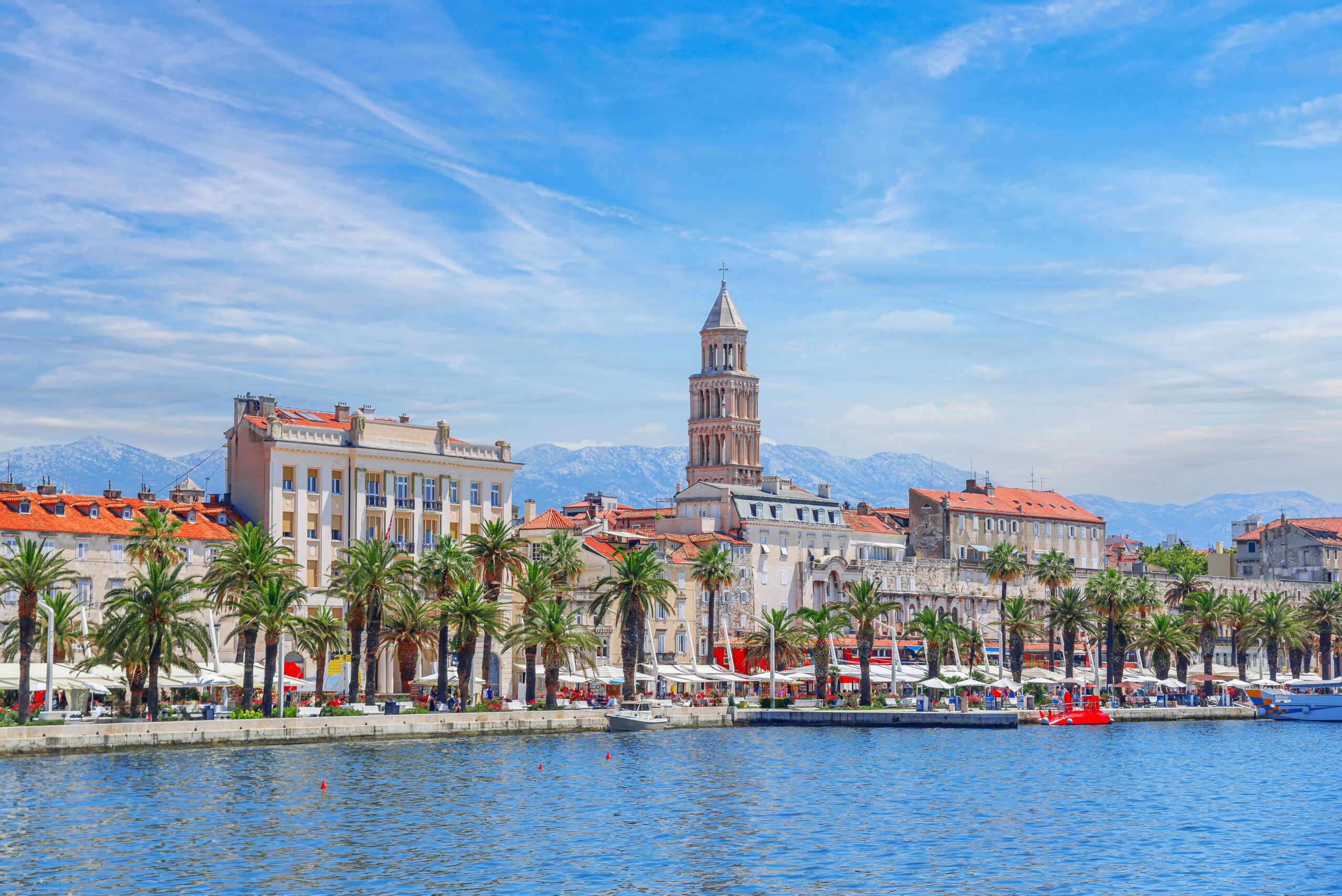
Most travelers begin their trip in Split, the largest city in Dalmatia and the cultural center of the region. Split is best known for Diocletian’s Palace, a Roman complex built in the 4th century for Emperor Diocletian. Today it forms the historic heart of the city and is listed as a UNESCO World Heritage Site.
Unlike many historical landmarks that feel like museums, Diocletian’s Palace is a living part of the city. Its stone streets are filled with restaurants, cafés, shops, and small squares where locals and visitors gather throughout the day.
Beyond the historic center, Split also offers beautiful seaside promenades, city beaches, and panoramic views from Marjan Hill. The city also serves as the main gateway to the Dalmatian islands. Spending two or three days in Split is usually the perfect introduction to Croatia.

Explore the Historic Town of Trogir
Only about 30 minutes from Split lies the town of Trogir, one of the most charming historic destinations on the Croatian coast. The old town sits on a small island connected by bridges and is protected as a UNESCO World Heritage Site. Trogir is known for its medieval architecture, narrow alleys, and beautiful stone buildings that date back centuries.

Highlights include the Cathedral of St. Lawrence, the Kamerlengo Fortress, and the lively waterfront promenade filled with restaurants and cafés. Because the town is compact, it is easy to explore in just a few hours, making it a perfect day trip from Split.
Visit at Least One Dalmatian Island

No first trip to Croatia would be complete without visiting one of the islands along the Adriatic coast. The islands of Central Dalmatia are among the most popular destinations in the country.
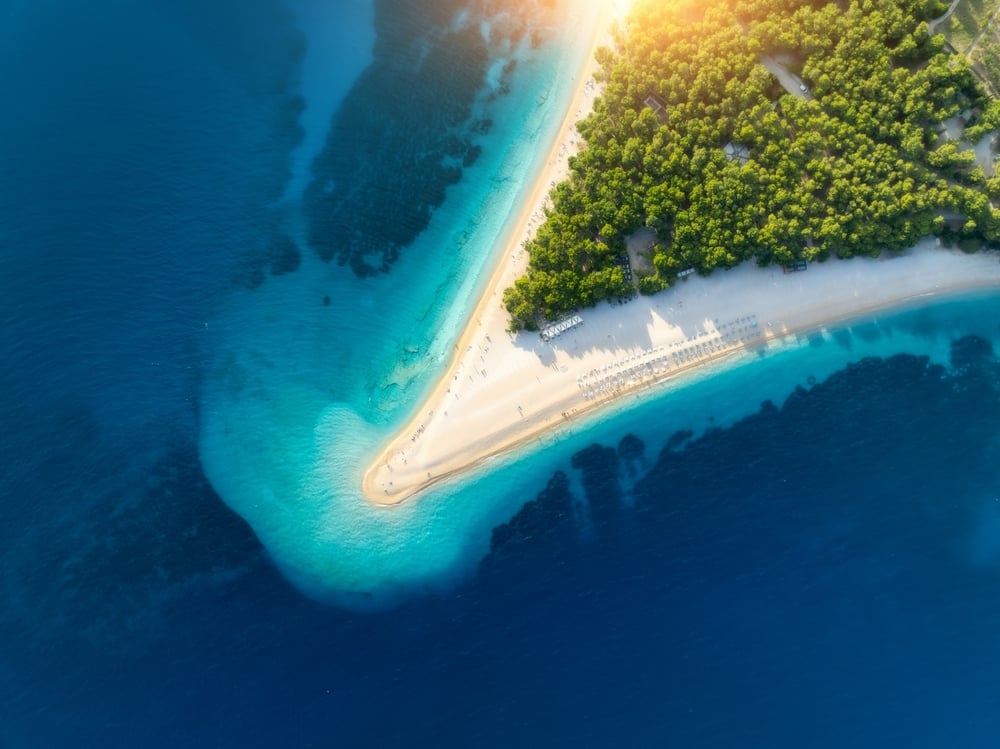
Brač is famous for Zlatni Rat, one of the most photographed beaches in Croatia. The island also offers beautiful coastal towns, hiking opportunities, and traditional stone architecture.
Hvar is often called one of the sunniest islands in Europe. The town of Hvar is known for its lively atmosphere, historic squares, while the rest of the island offers vineyards, lavender fields, and quiet villages.
Vis is considered one of the most authentic islands in Croatia. For decades it was closed to foreign visitors due to its military importance, which helped preserve its natural beauty and slower pace of life. Today, visitors come for hidden beaches, local wines, and boat trips to the famous Blue Cave.
Šolta is a quieter island that appeals to travelers looking for relaxation and traditional Dalmatian charm. Olive groves, fishing villages, and peaceful bays make it a perfect escape from busier tourist areas.

Beaches and Coastal Landscapes
Central Dalmatia is famous for its clear Adriatic waters and scenic coastline. Most beaches here are pebble beaches, which help keep the sea exceptionally clear and turquoise.
Many beaches are surrounded by pine forests that provide natural shade during the summer months. Small coves and hidden swimming spots can often be reached by boat or short coastal walks.
Further south, the Makarska Riviera offers some of the most dramatic coastal scenery in Croatia. The steep slopes of Biokovo mountain rise directly above the sea, creating breathtaking views along the shoreline.

A Simple 7-Day Croatia Itinerary for First-Time Visitors
If you have around one week in Croatia, Central Dalmatia allows for a relaxed itinerary that includes history, beaches, and island experiences without too much travel.
Day 1 – Arrival in Split
Arrive in Split and explore the historic center. Walk through Diocletian’s Palace, visit the Peristyle square, and enjoy dinner along the Riva promenade.
Day 2 – Discover Split
Spend the day exploring Split in more depth. Visit Marjan Hill for panoramic views, relax at nearby beaches such as Bačvice or Kašjuni, and enjoy the evening atmosphere in the old town.
Day 3 – Day Trip to Trogir
Take a short trip to Trogir. Explore the medieval streets, visit the cathedral, and enjoy lunch along the marina before returning to Split.
Day 4 – Travel to an Island
Take a ferry to one of the nearby islands such as Brač or Hvar. Spend the afternoon exploring the island town and enjoying the slower pace of island life.
Day 5 – Beaches and Island Exploration
Relax on the island’s beaches, take a boat excursion, or explore small villages and scenic viewpoints.
Day 6 – Return to the Mainland
Return to Split or travel further along the coast toward the Makarska Riviera for beautiful beaches and coastal views.
Day 7 – Relax and Departure
Enjoy a final morning by the sea, explore local markets, or take a last walk through the historic streets before departure.
This itinerary offers a balanced introduction to Croatia while leaving plenty of time to relax and enjoy the Mediterranean atmosphere.

Frequently Asked Questions About Visiting Croatia and Central Dalmatia for the First Time
Is Central Dalmatia a good place to visit in Croatia for the first time?
Yes. Central Dalmatia is often considered one of the best regions for a first trip to Croatia because it offers a mix of historic towns, beaches, and islands within a relatively small area. From the city of Split, travelers can easily explore nearby destinations such as Trogir, Brač, Hvar, or Vis without long travel times.
How many days do you need in Central Dalmatia?
Most travelers find that five to seven days is enough to experience the highlights of Central Dalmatia. This allows time to explore Split, visit Trogir, relax on beaches, and spend at least one or two days on a nearby island.
Which Croatian island should I visit first?
If it is your first trip, Brač and Hvar are usually the easiest islands to visit from Split. Brač is known for its famous Zlatni Rat beach, while Hvar offers a mix of historic towns, nightlife, and scenic landscapes. Travelers looking for a quieter and more authentic atmosphere often choose Vis.
Do you need a car to travel around Central Dalmatia?
Not necessarily. Many travelers explore the region using ferries, buses, and organized tours. Cities like Split and Trogir are walkable, and ferries connect the mainland with the islands. However, renting a car can be useful if you want to explore smaller villages or more remote beaches.
What is the best time to visit Central Dalmatia?
The most popular time to visit is June through September, when the weather is warm and the sea is perfect for swimming. However, many travelers prefer May, early June, or September, when temperatures are pleasant and there are fewer crowds.
Is Croatia expensive for tourists?
Croatia can be moderately priced compared with other Mediterranean destinations. Prices are generally higher during the peak summer season, especially in popular coastal towns and islands. Traveling in late spring or early autumn can often be more affordable.
Can you visit Croatian islands as a day trip?
Yes. Many islands near Split, such as Brač or Hvar, can be visited on day trips by ferry or boat tour. However, staying at least one night on an island allows you to experience a quieter atmosphere once day visitors leave.
What food should you try in Dalmatia?
Traditional Dalmatian cuisine focuses on fresh Mediterranean ingredients. Popular dishes include grilled fish, black risotto, octopus or meat prepared under a traditional peka lid, and pašticada, a slow-cooked beef dish usually served with homemade gnocchi.
Are the beaches in Central Dalmatia sandy?
Most beaches in Central Dalmatia are pebble beaches, which helps keep the Adriatic Sea exceptionally clear. Many beaches are surrounded by pine trees that provide natural shade during the summer.
Is English widely spoken in Croatia?
Yes. English is widely spoken in tourist areas, especially in cities, restaurants, hotels, and on the islands. Most travelers find it easy to communicate during their visit.